Dental pain is often easy to ignore at first. Many people assume a sensitive tooth or occasional discomfort will go away on its own. However, when the inner part of a tooth becomes infected or damaged, delaying treatment can lead to severe pain, tooth loss, and more complex dental problems.
One of the most effective ways to save an infected tooth is through root canal treatment. Despite common misconceptions, modern root canal procedures are designed to relieve pain, preserve natural teeth, and restore oral health.
Understanding the warning signs can help you seek treatment before the condition worsens.
What Is a Root Canal Treatment?
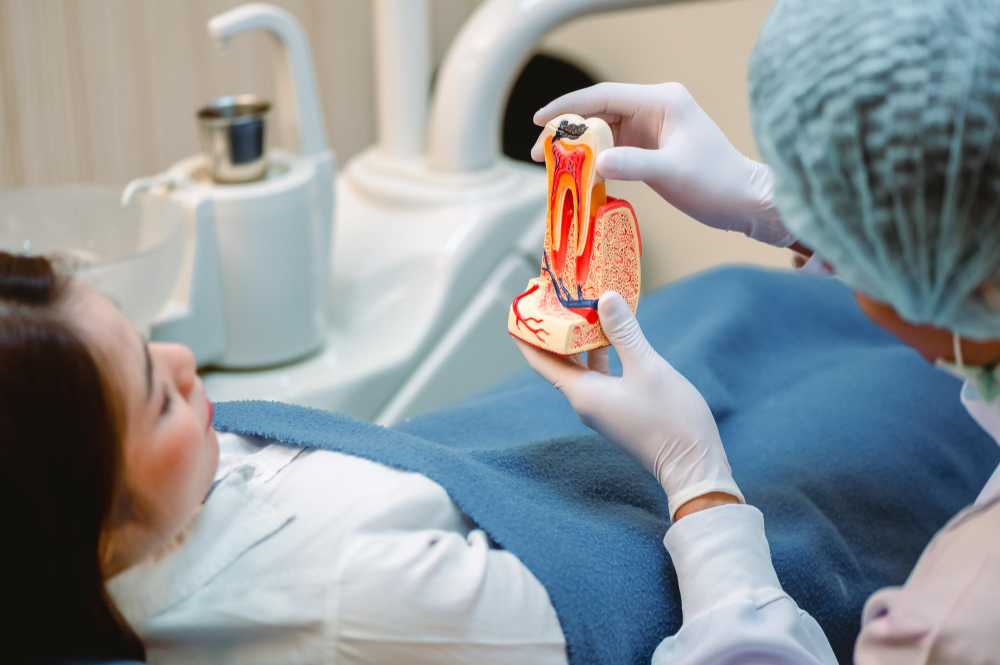
A root canal treatment is a dental procedure used to remove infected or damaged tissue from inside a tooth. The treatment focuses on cleaning the infected area, eliminating bacteria, and sealing the tooth to prevent future infection.
The goal is to save the natural tooth rather than remove it.
Root canal treatment is commonly recommended when the tooth pulp becomes inflamed or infected due to deep decay, cracks, trauma, or repeated dental procedures.
Why Early Detection Matters
Ignoring the signs of tooth infection can allow bacteria to spread deeper into the tooth and surrounding tissues.
Early treatment can help:
- Relieve pain and discomfort
- Save the natural tooth
- Prevent infection from spreading
- Avoid more extensive dental procedures
- Protect surrounding teeth and gums
Let’s look at the most common warning signs.
1. Persistent Tooth Pain
One of the clearest signs that you may need a root canal is ongoing tooth pain.
The discomfort may:
- Occur while eating
- Appear suddenly without warning
- Become worse at night
- Spread to the jaw or surrounding teeth
Unlike temporary sensitivity, persistent pain usually indicates a deeper issue that requires professional evaluation.
If tooth pain continues for several days, it should never be ignored.
2. Sensitivity to Hot and Cold Foods
Do you feel sharp pain when drinking coffee or eating ice cream?
Temporary sensitivity is common, but prolonged sensitivity that lingers after exposure to hot or cold temperatures may indicate damage to the tooth’s inner tissues.
If the discomfort remains for several seconds or minutes after the temperature stimulus is removed, it could be a sign of pulp infection.
3. Swollen or Tender Gums
An infected tooth often affects the surrounding gum tissue.
Common symptoms include:
- Gum swelling
- Tenderness around the affected tooth
- Redness
- Discomfort while brushing
Swollen gums can be an early indication that infection is developing beneath the tooth surface.
Prompt dental evaluation can help prevent the condition from progressing.
4. Darkening or Discoloration of the Tooth
A tooth that suddenly becomes darker than surrounding teeth may indicate internal damage.
This discoloration often occurs when the nerve tissue inside the tooth begins to deteriorate.
While staining from food and beverages affects the outer surface, internal discoloration usually points to deeper problems requiring dental treatment.
A professional examination can determine the cause and recommend the appropriate solution.
5. Pain While Chewing or Biting
Healthy teeth should not hurt during normal chewing.
If you experience discomfort when:
- Biting food
- Applying pressure to a tooth
- Clenching your teeth
it may indicate infection or inflammation inside the tooth.
Pain during chewing often suggests that the infection has reached deeper structures and requires immediate attention.
6. A Pimple-Like Bump on the Gums
A small bump or boil on the gums near a painful tooth can be a sign of a dental abscess.
This occurs when infection creates a pocket of pus that may drain through the gum tissue.
Signs may include:
- A small raised bump
- Bad taste in the mouth
- Occasional discharge
- Swelling around the area
An abscess is a serious condition that requires prompt dental care.
7. A Cracked or Deeply Decayed Tooth
Deep cavities and cracked teeth create pathways for bacteria to enter the inner part of the tooth.
Over time, infection can develop and spread to the dental pulp.
Even if there is no immediate pain, significant tooth damage increases the likelihood that root canal treatment may eventually be needed.
Regular dental checkups help detect these problems before infection becomes severe.
What Happens If You Ignore These Symptoms?
Many people delay treatment hoping the pain will disappear.
Unfortunately, dental infections rarely resolve on their own.
Untreated infection can lead to:
- Severe tooth pain
- Dental abscesses
- Bone loss around the tooth
- Spread of infection
- Tooth extraction
Seeking treatment early significantly improves the chances of saving the natural tooth.
Is Root Canal Treatment Painful?
One of the biggest myths about root canal treatment is that it is painful.
Modern dental techniques and anesthesia have made the procedure far more comfortable than many people expect.
In fact, most patients report that root canal treatment relieves pain caused by infection rather than causing it.
The procedure is designed to remove the source of discomfort while preserving the tooth.
How to Reduce Your Risk of Needing a Root Canal
Good oral hygiene and preventive care can help protect your teeth.
Healthy habits include:
- Brushing twice daily
- Flossing regularly
- Limiting sugary foods and drinks
- Wearing a mouthguard during sports
- Scheduling routine dental checkups
- Treating cavities early
Preventive dental care remains the best way to avoid serious dental infections.
Conclusion
Root canal treatment is often the best solution for saving an infected or severely damaged tooth. Recognizing the warning signs early can prevent unnecessary pain and help preserve your natural smile.
If you experience persistent tooth pain, sensitivity, swelling, discoloration, or discomfort while chewing, it is important to seek professional dental care as soon as possible.
At Basil Dental, we are committed to diagnosing dental concerns early and providing comfortable, effective treatment options that protect your long-term oral health.