Jawbone Deterioration is a serious oral health concern that can develop after tooth loss. Many people focus on the visible gap left by a missing tooth, but the effects often extend far beyond appearance. When a tooth is lost and not replaced, the underlying jawbone no longer receives the stimulation it needs to remain healthy and strong. Over time, this can lead to bone loss, changes in facial structure, and additional dental complications. Understanding the connection between missing teeth and Jawbone Deterioration can help individuals make informed decisions about their oral health.
What Is Jawbone Deterioration?
Jawbone Deterioration refers to the gradual loss of bone tissue in the jaw. Healthy teeth stimulate the jawbone during chewing and biting, helping maintain bone density and strength. When a tooth is missing, that stimulation decreases, causing the bone in that area to shrink over time.
Bone loss can occur slowly, often without noticeable symptoms in the early stages. However, as the condition progresses, it may affect both oral function and appearance.
How Missing Teeth Lead to Jawbone Deterioration
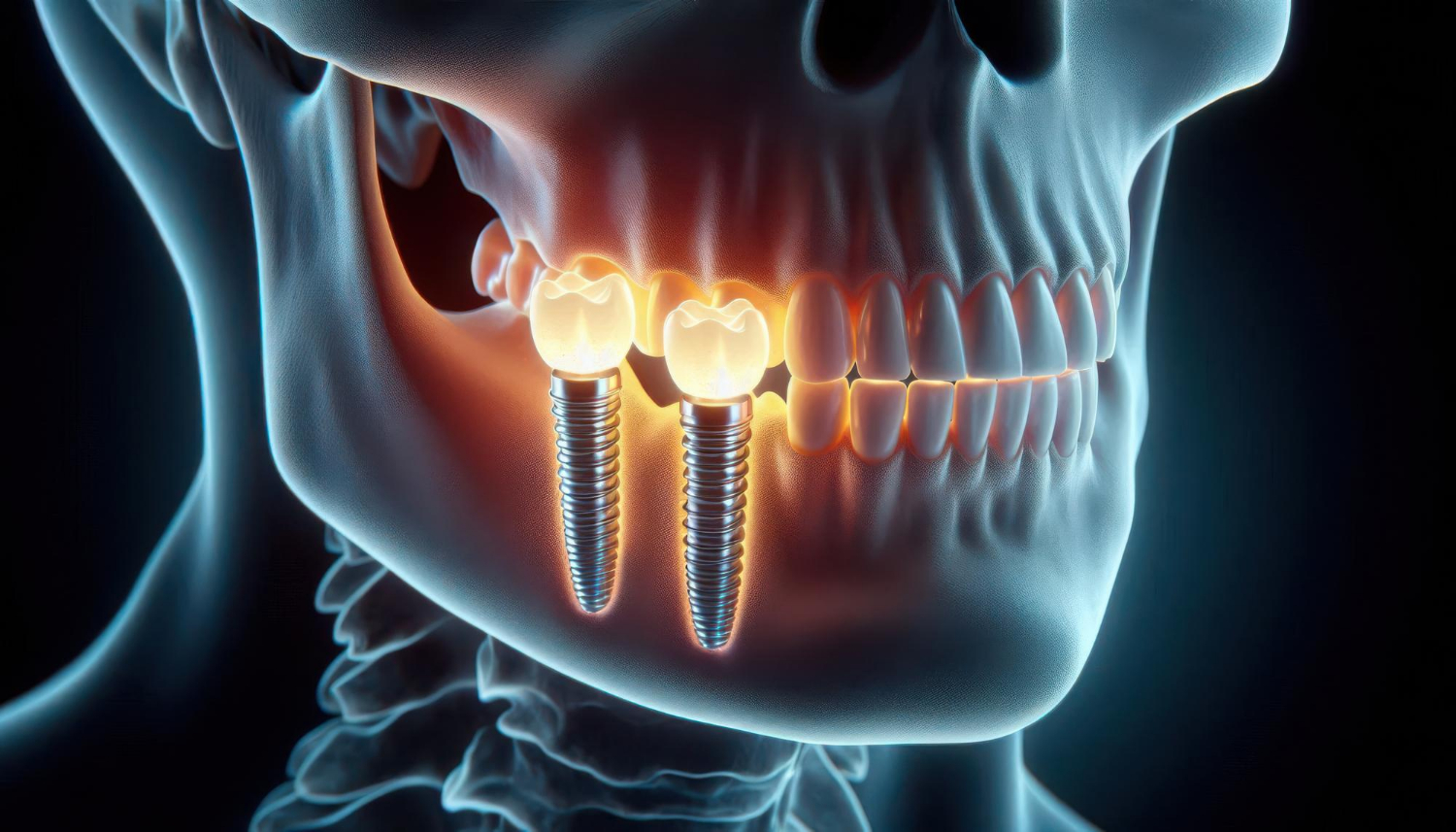
The roots of natural teeth play an important role in preserving jawbone health. Every time a person chews, pressure is transferred through the tooth roots into the surrounding bone. This stimulation signals the body to maintain bone tissue.
When a tooth is lost, the jawbone no longer receives this stimulation. As a result, the body begins to reabsorb bone tissue in the affected area, leading to Jawbone Deterioration over time.
Early Signs of Jawbone Deterioration
The early stages of Jawbone Deterioration may not cause obvious symptoms. Many individuals are unaware that bone loss is occurring until noticeable changes develop.
Common signs may include shifting teeth, changes in bite alignment, gum recession, facial changes, and difficulty chewing. Some people may also notice that dentures or other dental appliances no longer fit properly due to changes in jawbone shape.
Effects on Oral Health
Jawbone Deterioration can significantly affect oral health. As bone support decreases, neighboring teeth may become less stable and begin to shift out of position.
Bone loss can also contribute to bite problems, increased wear on remaining teeth, and difficulty maintaining proper oral function. In advanced cases, additional tooth loss may occur due to reduced support from the surrounding bone.
Changes in Facial Appearance
One of the lesser-known consequences of Jawbone Deterioration is its impact on facial structure. The jawbone helps support facial muscles and soft tissues.
As bone loss progresses, the face may appear sunken or collapsed in certain areas. This can contribute to an aged appearance and changes in facial proportions over time.
Why Early Intervention Is Important
Early intervention can help reduce the progression of Jawbone Deterioration and protect long-term oral health. Addressing tooth loss promptly allows dental professionals to evaluate available options for maintaining bone structure and oral function.
The sooner treatment is considered, the greater the opportunity to preserve existing bone and prevent additional complications.
Preventing Jawbone Deterioration
Preventing tooth loss is one of the most effective ways to protect jawbone health. Good oral hygiene, routine dental examinations, and prompt treatment of dental problems can help preserve natural teeth.
When tooth loss occurs, discussing replacement options with a dental professional may help support long-term oral health and reduce the risk of bone loss.
The Importance of Regular Dental Checkups
Routine dental visits allow dentists to monitor oral health and identify early signs of bone loss. Regular examinations and imaging can help detect changes before significant complications develop.
Preventive care remains a key component of maintaining healthy teeth, gums, and jawbone structures.
When Should You See a Dentist?
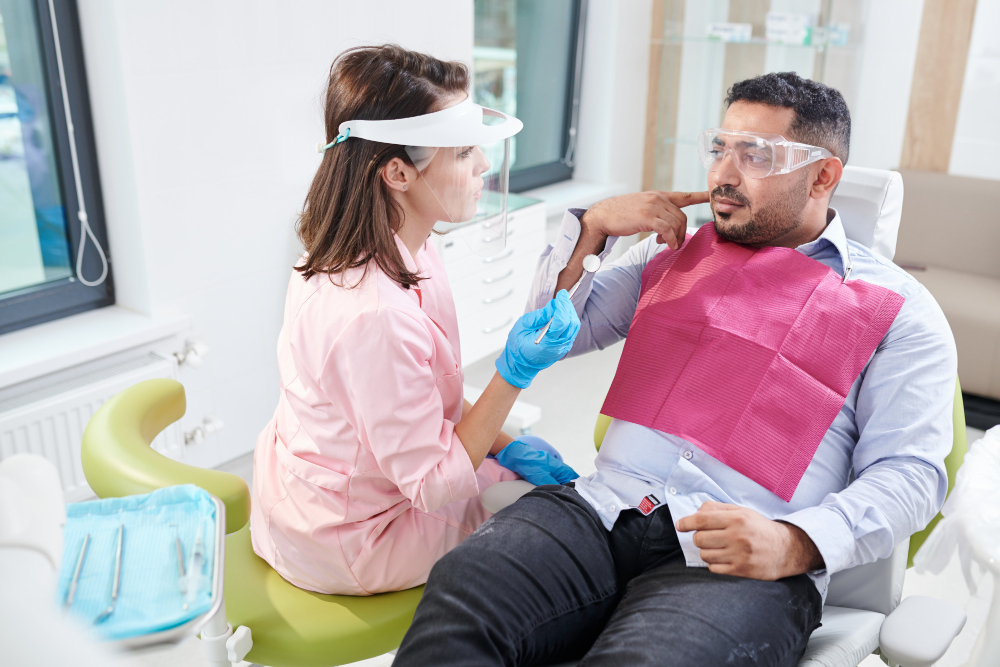
Consult a dentist if you have missing teeth, notice changes in your bite, experience difficulty chewing, or observe shifting teeth. Professional evaluation can help determine whether bone loss is occurring and identify appropriate treatment options.
Early assessment is essential for preserving oral health and preventing further deterioration.
Conclusion
Jawbone Deterioration is a common consequence of untreated tooth loss that can affect oral health, facial appearance, and overall quality of life. Without the stimulation provided by natural tooth roots, the jawbone gradually loses density and strength. Recognizing the risks associated with missing teeth and seeking timely dental care can help preserve bone structure and support long-term oral health. Regular dental visits and proactive treatment remain essential for maintaining a healthy and functional smile.