Tooth Erosion is a common dental condition that occurs when acids gradually wear away the protective outer layer of the teeth, known as enamel. Unlike tooth decay, which is caused by bacteria, tooth erosion results from direct acid exposure. Over time, this process can weaken teeth, increase sensitivity, and affect the appearance of your smile. Understanding the causes, symptoms, and prevention strategies for Tooth Erosion can help protect your long-term oral health.
What Is Tooth Erosion?
Tooth Erosion is the gradual loss of tooth enamel due to repeated exposure to acids. Enamel is the hardest substance in the human body and serves as a protective barrier for the teeth. Once enamel wears away, it cannot regenerate naturally.
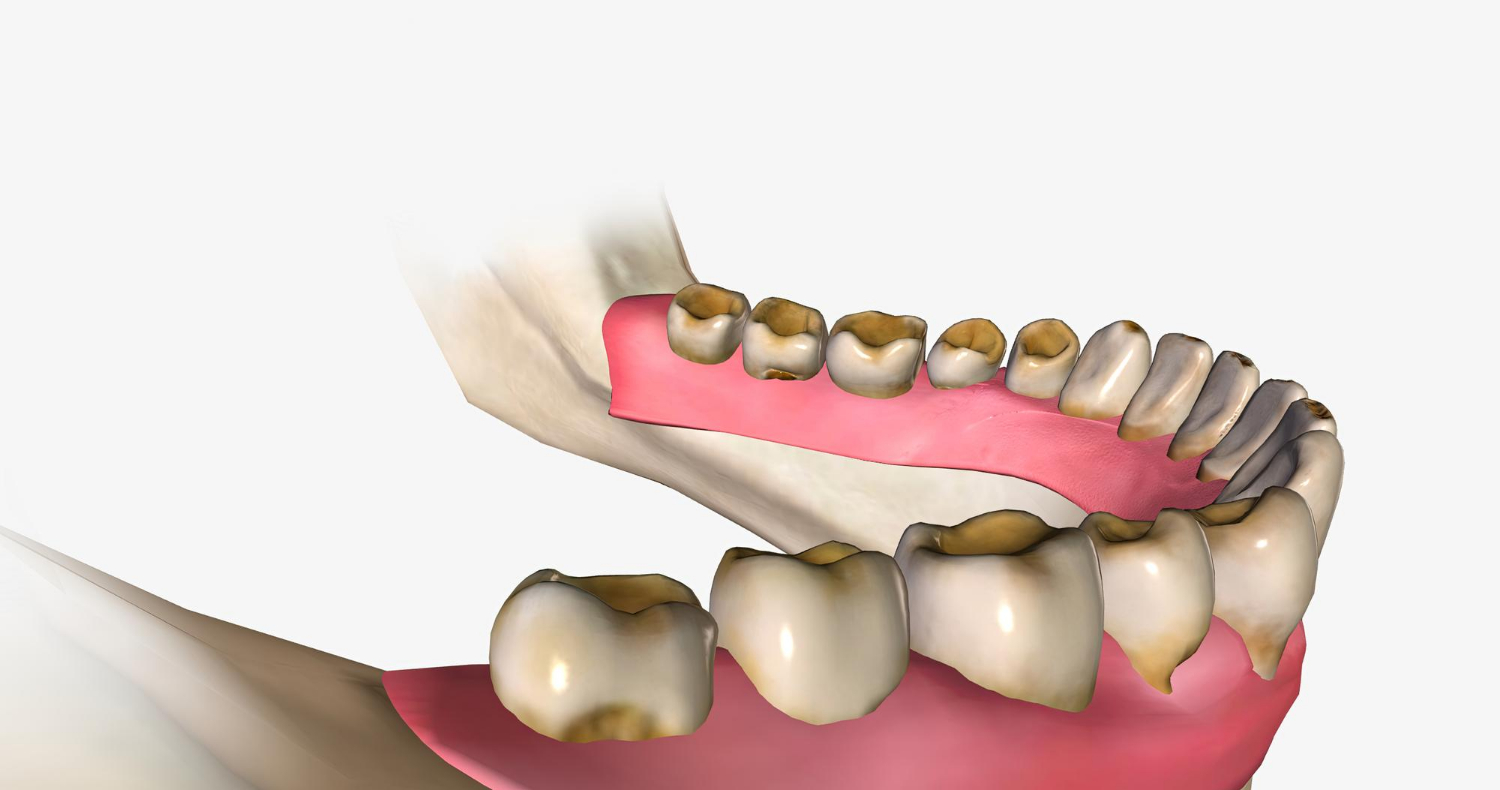
As enamel becomes thinner, the underlying dentin becomes more exposed. This can make teeth appear darker, feel more sensitive, and become more vulnerable to damage.
Common Causes of Tooth Erosion
Several factors can contribute to Tooth Erosion. Frequent consumption of acidic foods and beverages is one of the most common causes. Soft drinks, citrus fruits, sports drinks, and fruit juices can gradually weaken enamel when consumed regularly.
Certain medical conditions may also increase acid exposure. Acid reflux and gastrointestinal disorders can allow stomach acids to reach the mouth and damage tooth surfaces. Dry mouth, which reduces the protective effects of saliva, may further increase the risk of enamel erosion.
Early Signs of Tooth Erosion
Recognizing the early signs of Tooth Erosion can help prevent more extensive damage. Increased tooth sensitivity is often one of the first symptoms. Individuals may notice discomfort when consuming hot, cold, sweet, or acidic foods and beverages.
Other signs include a smoother tooth surface, yellowing of teeth due to exposed dentin, rounded tooth edges, and small cracks or chips. As erosion progresses, teeth may appear thinner and more transparent near the edges.
How Tooth Erosion Affects Oral Health
Tooth Erosion can have a significant impact on both oral function and appearance. As enamel wears away, teeth become less resistant to daily wear and tear. This can increase the likelihood of fractures, chips, and further dental complications.
The condition may also affect chewing comfort and contribute to ongoing sensitivity. In severe cases, extensive enamel loss can require restorative dental treatment to protect affected teeth.
The Importance of Early Diagnosis
Early diagnosis allows dentists to identify enamel damage before it becomes severe. Regular dental examinations can help detect subtle signs of Tooth Erosion that may not be visible to patients.
Prompt intervention can slow the progression of erosion and help preserve healthy tooth structure. Early treatment often results in simpler and more conservative management options.
Treatment Options for Tooth Erosion
Treatment depends on the extent of enamel loss and the underlying cause. Dentists focus on protecting remaining enamel, reducing sensitivity, and preventing further damage.
In some cases, restorative procedures may be recommended to strengthen affected teeth and improve their appearance. The most appropriate treatment plan varies according to individual needs and the severity of the condition.
Preventing Tooth Erosion
Prevention plays a crucial role in maintaining healthy teeth. Limiting the consumption of acidic foods and beverages can help reduce enamel exposure to harmful acids.
Drinking water after consuming acidic products may help rinse away acids and support oral health. Maintaining good oral hygiene, attending regular dental checkups, and managing medical conditions that contribute to acid exposure are also important preventive measures.
Healthy Habits to Protect Tooth Enamel
Simple daily habits can make a significant difference in protecting enamel. Using a soft-bristled toothbrush and following proper brushing techniques can help reduce unnecessary enamel wear.
Staying hydrated supports saliva production, which naturally helps neutralize acids and protect teeth. Choosing a balanced diet and seeking professional dental advice can further support long-term oral health.
When Should You Visit a Dentist?
Schedule a dental appointment if you experience persistent tooth sensitivity, noticeable changes in tooth appearance, or concerns about enamel wear. Early evaluation can help prevent complications and preserve your natural teeth.
Regular dental visits remain one of the best ways to monitor oral health and detect Tooth Erosion before significant damage occurs.
Conclusion
Tooth Erosion is a progressive condition that can gradually weaken and damage teeth if left untreated. Frequent acid exposure, dietary habits, and certain medical conditions can contribute to enamel loss over time. By recognizing early symptoms, adopting preventive habits, and seeking professional dental care, individuals can protect their enamel and maintain a healthy, confident smile for years to come.