A bright, white smile is often associated with confidence, good oral hygiene, and overall attractiveness. Over time, however, teeth can become stained due to coffee, tea, soft drinks, tobacco use, aging, and certain foods. As a result, teeth whitening has become one of the most popular cosmetic dental treatments worldwide.
Many people looking to improve their smile often wonder whether professional teeth whitening is worth the investment or if home remedies can provide similar results. While both options aim to make teeth appear whiter, there are significant differences in safety, effectiveness, and long-term outcomes.
At Basil Dental, we believe patients should understand the facts before choosing a whitening solution.
Why Do Teeth Become Discolored?
Before comparing whitening methods, it’s important to understand why teeth lose their brightness.
Common causes of tooth discoloration include:
- Coffee and tea consumption
- Tobacco and smoking
- Red wine
- Colored foods and beverages
- Poor oral hygiene
- Aging
- Certain medications
- Excessive fluoride exposure
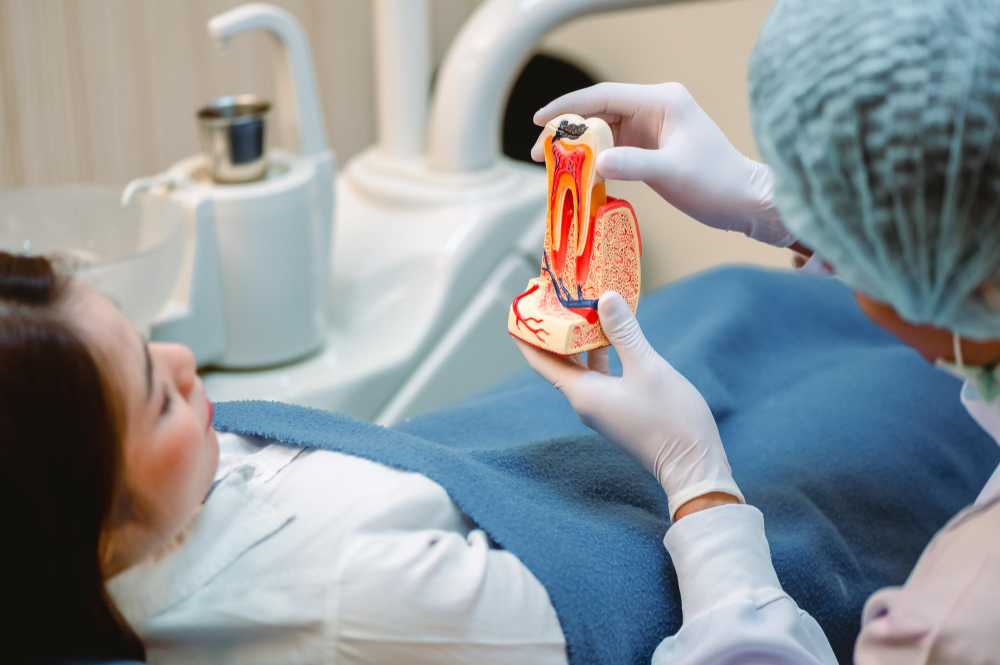
Some stains remain on the surface of the teeth, while others penetrate deeper into the enamel, making them harder to remove without professional treatment.
What Is Professional Teeth Whitening?
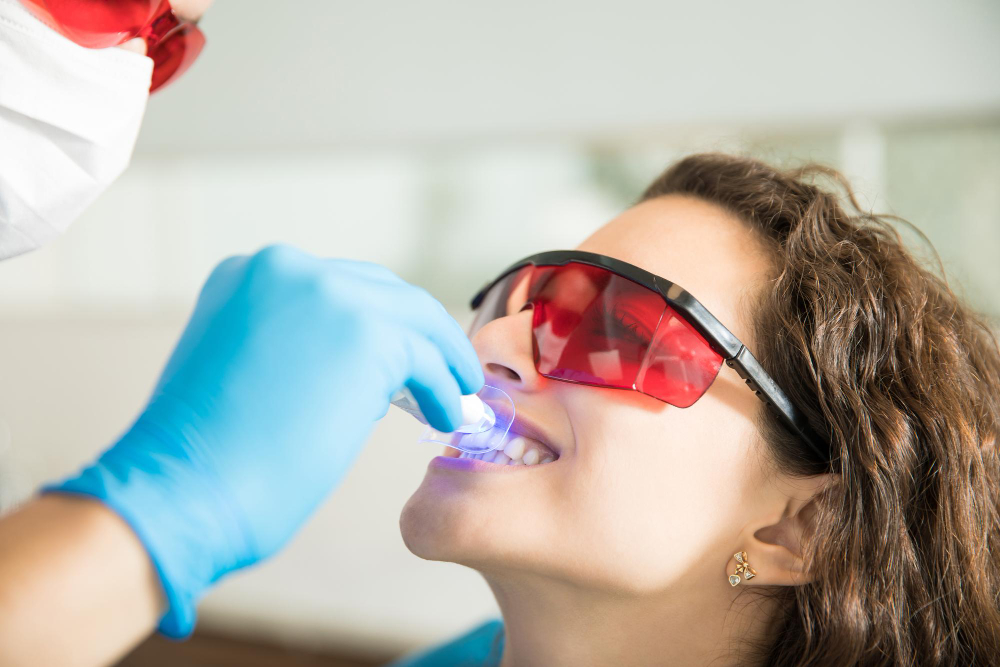
Professional teeth whitening is a cosmetic dental procedure performed under the supervision of a dental professional. It uses clinically approved whitening agents designed to safely remove stains and brighten teeth.
The treatment is customized according to the patient’s oral health, tooth sensitivity, and desired results.
Professional whitening can often brighten teeth by several shades in a relatively short period while maintaining safety and comfort.
Benefits of Professional Teeth Whitening
Faster Results
One of the biggest advantages of professional whitening is speed.
Unlike home remedies that may take weeks or months to show minimal changes, professional treatments can produce visible improvements within a single appointment.
Patients often notice a significantly brighter smile almost immediately after treatment.
Safer Treatment
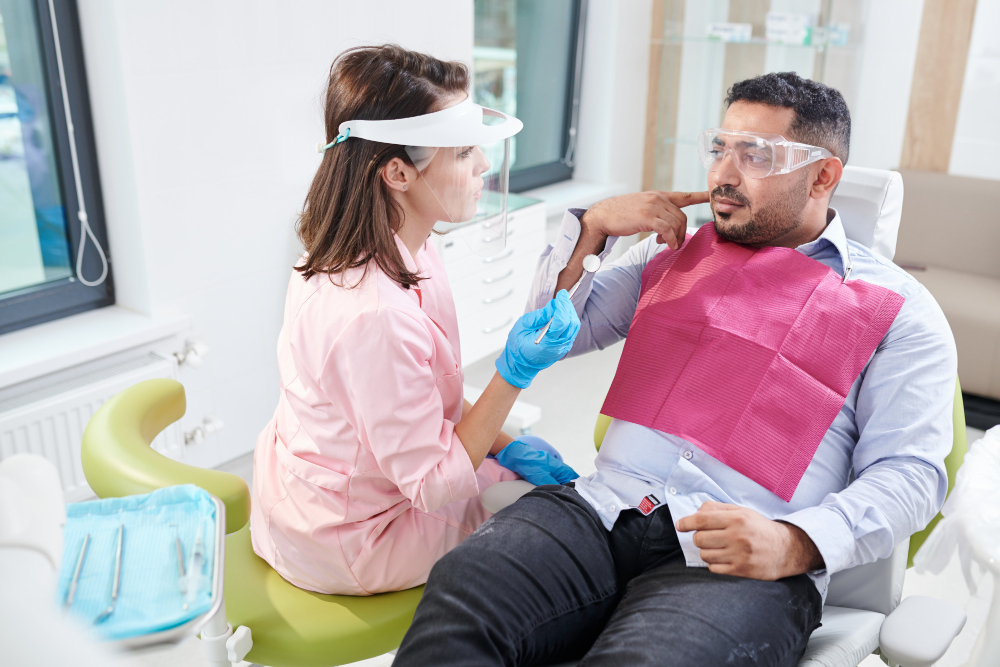
Before beginning any whitening procedure, a dentist evaluates the condition of your teeth and gums.
This helps identify issues such as:
- Tooth decay
- Gum disease
- Enamel damage
- Tooth sensitivity
Addressing these concerns beforehand helps reduce the risk of discomfort and complications during whitening.
Customized Care
Every smile is unique.
Professional whitening treatments are adjusted according to:
- Tooth color
- Existing stains
- Sensitivity levels
- Desired whitening goals
This personalized approach helps achieve more consistent and natural-looking results.
Longer-Lasting Results
With proper oral hygiene and regular dental care, professional whitening results often last much longer than many home-based alternatives.
Patients can maintain their brighter smile through routine dental cleanings and healthy lifestyle habits.
Popular Home Teeth Whitening Remedies
Many people turn to home remedies because they appear inexpensive and easily accessible.
Some commonly used methods include:
Baking Soda
Baking soda is often used because of its mild abrasive properties.
While it may help remove some surface stains, excessive use can gradually wear down tooth enamel and increase tooth sensitivity.
Activated Charcoal
Activated charcoal products are widely marketed for teeth whitening.
However, there is limited scientific evidence supporting their effectiveness, and frequent use may contribute to enamel wear.
Lemon Juice and Baking Soda
This combination is frequently promoted online as a natural whitening solution.
In reality, the acidic nature of lemon juice can weaken enamel and increase the risk of tooth damage and sensitivity.
Coconut Oil Pulling
Oil pulling involves swishing coconut oil in the mouth for several minutes.
While it may contribute to improved oral hygiene, it does not significantly whiten teeth or remove deep stains.
Over-the-Counter Whitening Products
Whitening strips, gels, and toothpaste can help reduce mild surface discoloration.
However, results are often less dramatic compared to professional treatments and may vary from person to person.
Risks of Home Whitening Remedies
Many home whitening techniques appear harmless but may carry risks when used incorrectly or excessively.
Potential concerns include:
Enamel Damage
Some DIY whitening methods rely on abrasive or acidic ingredients that can gradually wear away tooth enamel.
Since enamel cannot regenerate, damage may be permanent.
Increased Tooth Sensitivity
Improper whitening techniques may lead to sensitivity when consuming hot, cold, or sweet foods and beverages.
Gum Irritation
Certain products may irritate gum tissues if applied incorrectly or used too frequently.
Uneven Results
Home remedies often whiten teeth unevenly, leading to inconsistent appearance and less predictable outcomes.
Professional Whitening vs Home Remedies
| Factor | Professional Whitening | Home Remedies |
|---|---|---|
| Speed of Results | Fast | Slow |
| Safety | Dentist Supervised | Varies |
| Whitening Power | Strong | Limited |
| Customization | Personalized | General Use |
| Longevity | Long Lasting | Temporary |
| Risk of Enamel Damage | Minimal | Higher with Improper Use |
| Consistency of Results | Predictable | Unpredictable |
Who Is a Good Candidate for Teeth Whitening?
Teeth whitening may be suitable for individuals who:
- Have healthy teeth and gums
- Want to reduce stains caused by food, drinks, or smoking
- Desire a brighter smile
- Have realistic expectations about whitening results
A dental consultation helps determine whether whitening is the right option for your specific needs.
Tips to Maintain Whiter Teeth
After whitening treatment, maintaining good oral habits can help preserve results.
Consider the following:
- Brush twice daily
- Floss regularly
- Schedule routine dental cleanings
- Limit staining beverages
- Avoid tobacco products
- Rinse your mouth after consuming colored foods and drinks
Consistent oral care can help keep your smile bright and healthy.
Conclusion
While home remedies may offer minor improvements for some surface stains, they often provide inconsistent results and may carry risks when used improperly. Professional teeth whitening remains the safest, most effective, and most reliable way to achieve a noticeably brighter smile.
At Basil Dental, we help patients choose whitening solutions that are safe, personalized, and designed to deliver long-lasting results. If you’re considering whitening your teeth, a professional consultation can help determine the best approach for your smile goals.